
Patient education
Birth, baby and breastfeeding
Understanding early feeding, positioning, and support for parents and newborns.
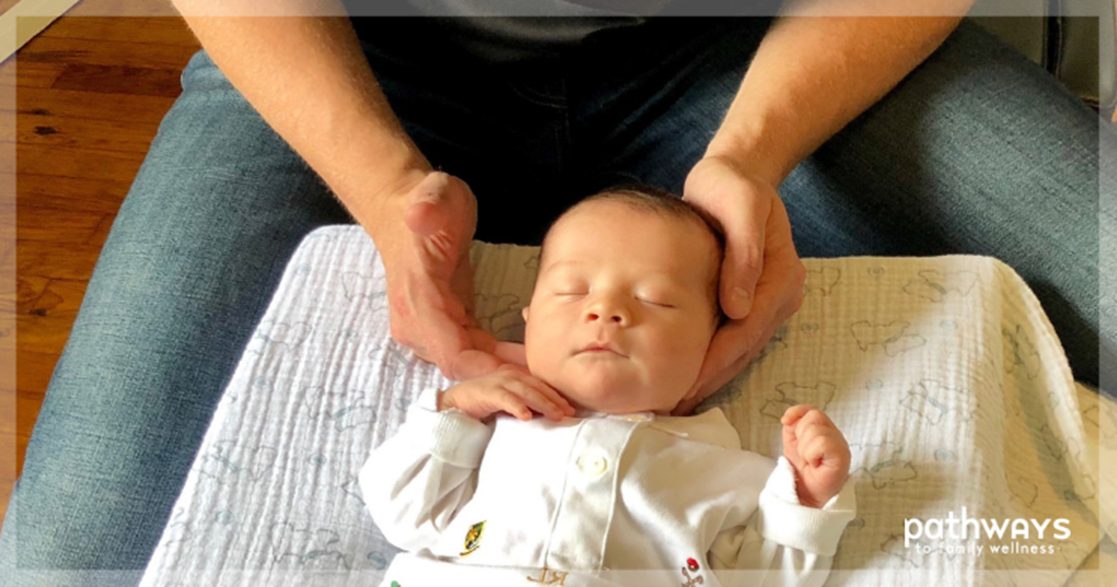
Learning together after birth
Feeding is a new skill for both parent and baby. It involves positioning, a comfortable latch, coordinated sucking and swallowing, and adequate milk transfer. Some families settle into feeding quickly; others need more support.
Needing help does not mean you have done anything wrong. Birth experiences vary, and the way a baby was born does not by itself establish a spinal injury or explain feeding difficulties.
Notice comfort and function
It can help to keep track of what happens during feeds rather than focusing on a single explanation.
- Does your baby feed more comfortably on one side?
- Is latching painful or difficult to maintain?
- Does your baby appear satisfied after feeding?
- Are weight gain and wet diapers appropriate for your baby's age?
Support that fits the whole picture
A feeding assessment considers latch, milk supply and transfer, oral function, and the baby's growth. Lactation support can help families explore positioning and feeding strategies.
A pediatric chiropractic evaluation may consider neck movement, posture, and musculoskeletal comfort. It does not establish that an adjustment will resolve breastfeeding problems, and a single family's improvement cannot predict another baby's outcome.
Keep feeding and safety first
Poor intake, too few wet diapers, unusual sleepiness, or breathing difficulties need prompt clinical attention. Avoid delaying feeding support while trying a different approach. The goal is a well-fed baby and a supported parent.
Clinic-written educational overview based on topics from the International Chiropractic Pediatric Association (ICPA) and Pathways to Family Wellness. This is an adapted overview, not a reproduction of the original article or magazine. Individual experiences are not evidence of treatment effectiveness.
General education from our chiropractic team. Not a diagnosis or a substitute for an examination.